🤖Introduction
Are AI and automation the same thing? Many businesses think so but here’s a surprising stat: only 26% of companies using automation have adopted AI-based solutions. That’s a massive gap and a major missed opportunity.
So what’s the real difference between AI vs traditional automation, and why does it matter for your business?
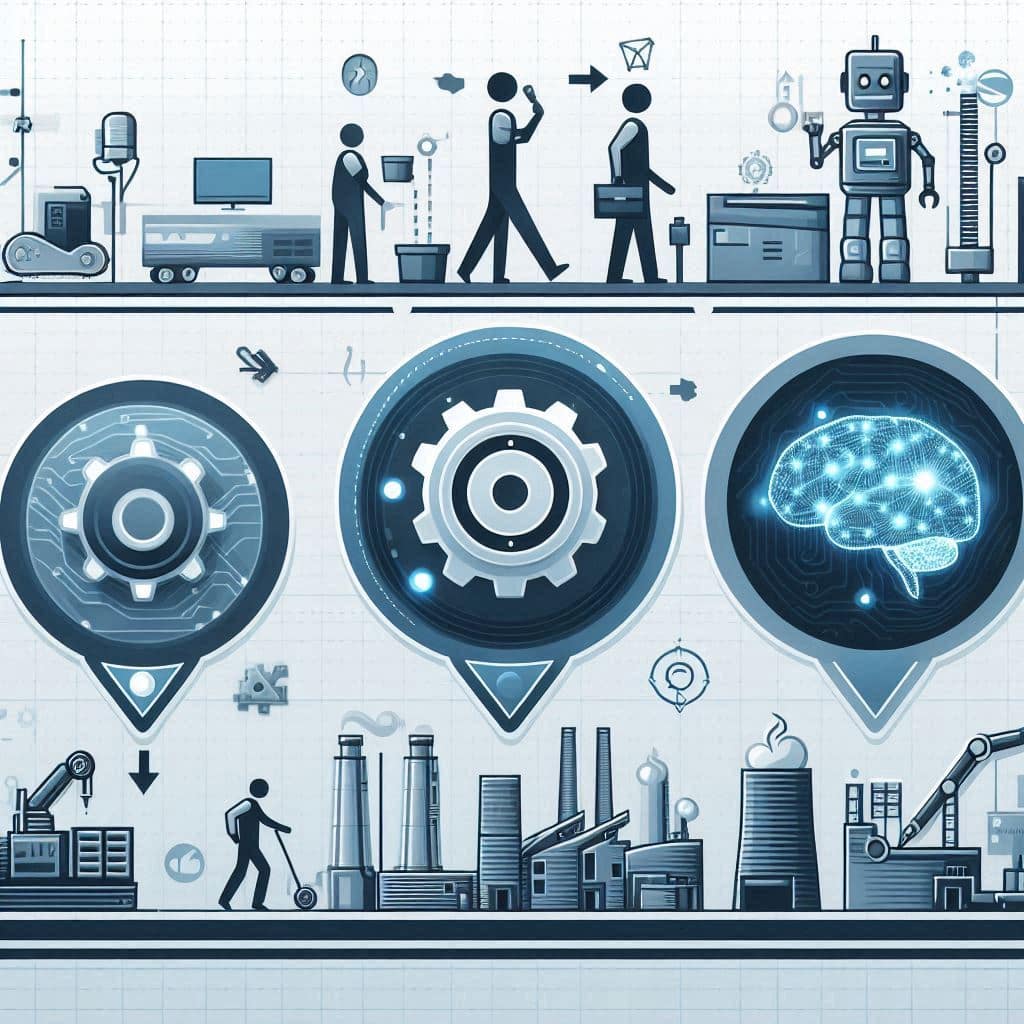
In this blog, we’ll simplify everything you need to know:
- The core difference between AI and automation
- Real-world examples of each
- Why choosing the right one can fuel growth
- How to get started without coding skills
Let’s clear the confusion and help you future-proof your workflow.
🔍 What Is the Difference Between AI and Traditional Automation?
Traditional automation is like a robot that follows a script great at repetitive tasks, but it can’t think, adapt, or learn.
AI (Artificial Intelligence), on the other hand, learns from data, understands context, and improves over time like a smart assistant that evolves with your business.
⚖️ Key Differences: AI vs Traditional Automation
| Feature | Traditional Automation | AI (Artificial Intelligence) |
|---|---|---|
| Flexibility | Rigid & rule-based | Adaptive & dynamic |
| Learning | Static, never improves | Learns and evolves |
| Decision-making | None, follows rules | Makes data-driven decisions |
| Personalization | One-size-fits-all | Tailored to user behavior |
| Context Awareness | Lacks context | Understands tone, history |
📌 Simple Examples of AI vs traditional automation
- Automation: A chatbot that gives the same 5 responses to every FAQ.
- AI: A chatbot that understands natural language, remembers you, and adapts tone.
🚀 Why AI vs Traditional Automation Matters for Business
Understanding this distinction helps you optimize operations, cut costs, and scale faster.
✅ 1. Boosts Efficiency & Speed
- Automation handles repetitive tasks (e.g., scheduling emails).
- AI handles complex workflows (e.g., qualifying leads, personalizing outreach).
✅ 2. Enables Hyper-Personalization
- Automation = same message for everyone
- AI = personalized content based on behavior and preferences
✅ 3. Drives Business Growth
According to McKinsey, businesses that implement AI see up to 30% higher productivity than those using only traditional automation.
Summary: Automation gets you started. AI takes you further.
💼 Real-World Examples of AI vs Traditional Automation
✨ Example 1: Customer Support
- Traditional Automation: A basic banking chatbot answers generic FAQs.
- AI Example – HDFC Bank’s Eva: Handles 5M+ queries in seconds, understands tone, escalates when needed.
✨ Example 2: E-Commerce Recommendations
- Automation: Sends a standard “Thank You” email to all buyers.
- AI – Amazon: Recommends products based on browsing history, user profile, and similar customer behavior. This drives 35% of their sales.
🛠️ How to Get Started with AI No Coding Needed
You don’t need a tech team or a massive budget to benefit from AI. Here’s a simple plan:
✅ Step 1: Identify Repetitive Tasks
- Think marketing emails, support queries, data sorting.
✅ Step 2: Choose a Beginner-Friendly AI Tool
- Zapier + OpenAI – Adds AI logic to workflows
- Tidio or Drift – AI chatbots
- Copy.ai or Jasper.ai – AI content generation
- Pictory – Turn blogs into videos
✅ Step 3: Start Small, Learn Fast
- Test 1 tool for 30 days
- Monitor results: time saved, conversion improvement, customer feedback
⚠️ Common Pitfalls to Avoid
While AI offers big benefits, here are 4 things to watch out for:
❌ 1. Over-Reliance on AI
AI is a tool, not a replacement for human judgment especially in customer-facing roles.
⚠️ 2. Poor Data Quality
AI needs clean, updated data. Bad input = bad output.
🤖 3. Robotic Customer Experience
Without proper training, AI chatbots can sound unnatural. Include human hand-off when needed.
💸 4. Hidden Scaling Costs
Let’s clear the confusion and help you make smarter choices for the future.
Whether you’re a startup exploring digital transformation or an established brand optimizing operations, the shift from traditional automation to AI is a step toward smarter, more adaptive growth. Don’t wait for your competitors to get ahead start exploring how AI can bring precision and scalability to your workflows today.
Drop your experience in the comments on AI vs traditional automation blog and check out our full AI tool reviews for more insights!